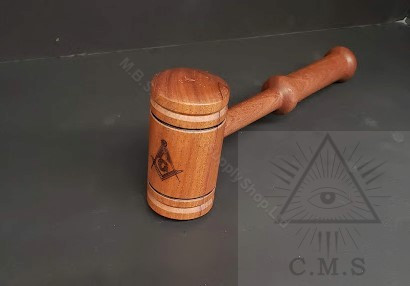
Gavels aren't only for lodges and courtrooms. Councils, boards, service clubs, legions, student societies and fraternal organisations across Canada use a gavel to open meetings, keep order and mark decisions. This gavel store guide helps you choose the right gavel for your organisation, whether it's a first purchase or a presentation piece.
Who uses a gavel?
- Municipal councils and boards, for formal meetings.
- Service clubs such as Rotary, Lions and Kiwanis, for club meetings and installations.
- Legions and veterans' organisations.
- Fraternal organisations, including Masonic lodges and Orders.
- Professional and student societies that follow parliamentary procedure.
Choosing a gavel
Size and weight. A gavel should be heavy enough to give a clear, carrying rap but light enough to hold comfortably through a long meeting.
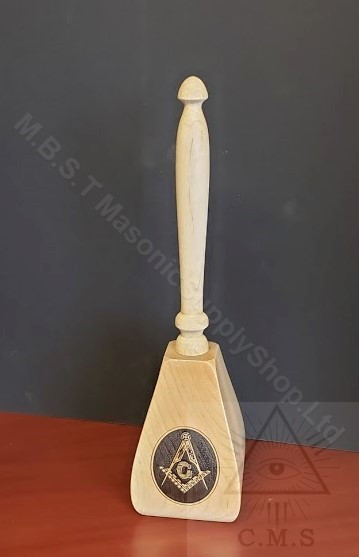
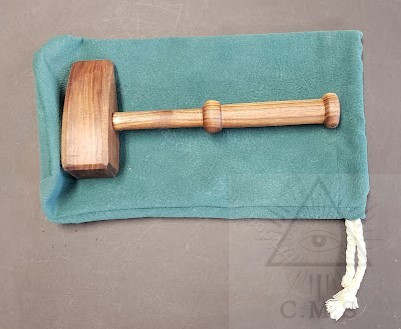
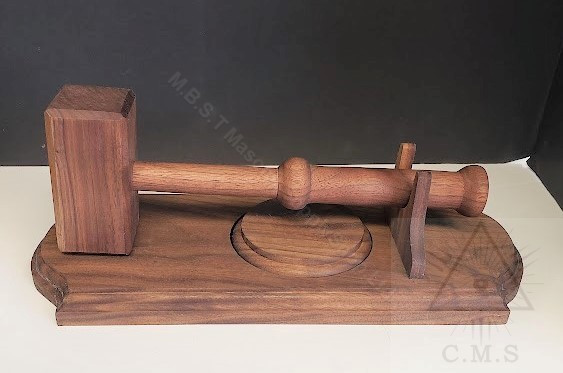
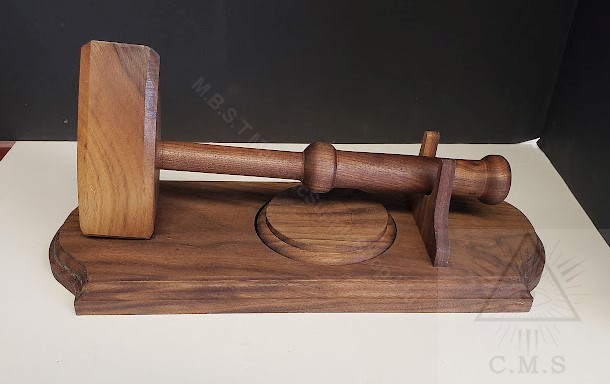
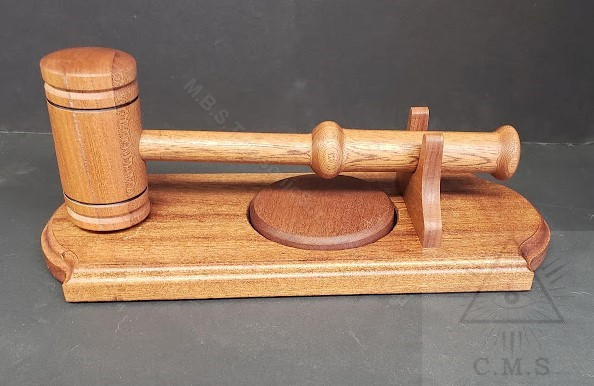
Style. A chairman's gavel is slim and elegant, ideal for boardrooms. A traditional mallet-style gavel has more presence for ceremonial use. See our guide to the chairman's gavel.
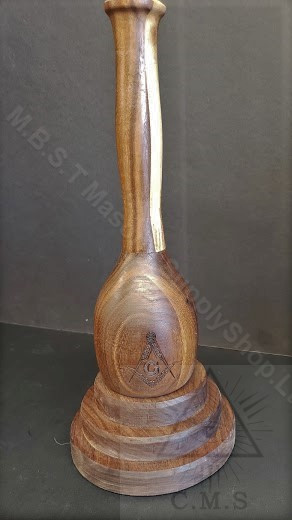
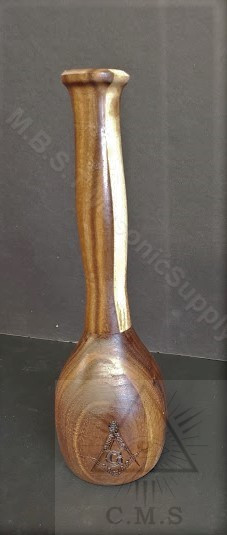
Wood. Walnut, maple and oak are dense hardwoods that sound crisp and resist dents. Walnut's rich colour makes it a favourite for presentation gavels.
Sounding blocks
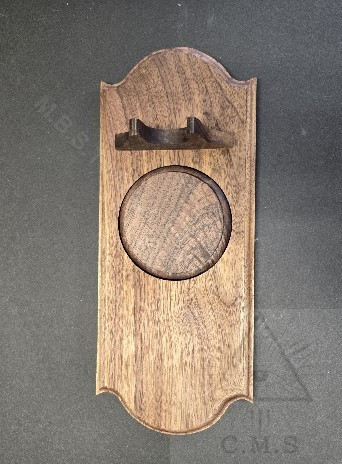
A sounding block protects the table and gives a clean sound. Matching the block's wood to the gavel creates a finished look, and a felt base keeps it from sliding.
Engraving and presentation
An engraved band or plate turns a gavel into a keepsake for an outgoing president, chair or Master. Include the name, organisation, office and years served. A display stand or lined box completes the gift.
Gavels with emblems
Some gavels carry an emblem, such as the Masonic Square and Compasses. For other organisations, choose a plain gavel and add an engraved plate with your crest or name.
Caring for a gavel
Wipe it after use, keep it dry, wax the wood occasionally and check that the head stays tight on the handle.
Gavels for graduations and awards
Schools, law societies and professional associations sometimes present gavels to graduating students, retiring members or long-serving volunteers. An engraved walnut gavel on a stand is a lasting reminder of the role they played.
Gavels for new organisations
A newly formed club or association often buys its first gavel when it holds its first formal meeting. A plain hardwood gavel with a matching block is a sensible first purchase; engraving can be added later when the organisation's name is settled.
How many gavels do you need?
Most groups need only one, for the chair. Masonic lodges and some fraternal orders use three, for the presiding officer and two deputies. Larger organisations sometimes keep a spare for committee rooms.
Shipping within Canada
Ordering from a Canadian gavel store avoids cross-border duties and exchange-rate surprises. Allow time for engraving and shipping before your event, especially before installation season and year-end meetings.
Gavels and parliamentary procedure
The gavel supports, but doesn't replace, good chairing. The chair still states motions clearly, calls votes and announces results; the gavel simply marks those moments so everyone knows business has moved on.
Where to buy from a Canadian gavel store
The Canadian Masonic Supply Shop in High River, Alberta, offers walnut gavels, sounding blocks and presentation sets, shipped within Canada in Canadian dollars. See its gavels and lodge gavels.
FAQ
What size gavel is best for a boardroom?
A slim chairman's gavel with a sounding block suits most boardrooms.
Can a gavel be personalised?
Yes. Engraved bands and plates are common for presentations.
Do I need a sounding block?
It protects your table and improves the sound, so it's recommended.
Is a Masonic gavel suitable for a non-Masonic group?
Choose a plain gavel without emblems for general use.